March 13, 2026
Homeowners often face a difficult question: when to invest in air conditioning repair and when it becomes more economical to replace the unit entirely. This decision involves weighing short-term costs against long-term efficiency. With technological advancements, modern systems offer options that vary greatly in performance. This guide explores the factors, financial considerations, and signs that will help you make the best choice for your home’s comfort and your budget. Choosing the right path can mean the difference between consistent comfort and a summer filled with mechanical frustration.
Factors to Consider Before Making a Decision
Age of the Unit
The age of your system is a primary factor. Most air conditioners have a lifespan of 10 to 15 years. As units age, they become less efficient, resulting in higher energy bills and less effective cooling. Deciding to replace an aging unit can preempt the frequent breakdowns that typically occur as systems approach their operational limits. If your unit is pushing past the twelve-year mark, even a well-maintained system may begin to show signs of internal wear that no amount of maintenance can fully reverse.
Efficiency and Performance
Over time, an air conditioner's performance tends to decline. A newer, high-efficiency model can provide improved cooling while being more environmentally friendly. Seasonal Energy Efficiency Ratio (SEER) ratings have improved significantly over the last decade. Investing in a new unit may also qualify you for rebates and tax incentives, reducing the overall cost of the upgrade and providing a quicker return on your investment through monthly savings.
Cost Analysis
Comparing the cost of air conditioning repair versus a full replacement is critical. Repairs can become frequent as a unit ages, eventually offsetting the savings of deferring a replacement. While the upfront cost of a new system is higher, the long-term savings in energy and maintenance often provide a better return on investment. Professionals often suggest the "5,000 Rule": multiply the age of the unit by the repair cost; if the total exceeds $5,000, replacement is generally the wiser financial move.
Frequency of Repairs
If your system requires constant attention, it may be nearing the end of its life. According to Energy.gov, three million heating and cooling systems are replaced each year in the United States, a decision often driven by the desire to reduce maintenance burdens. If breakdowns are a regular occurrence, replacement is usually the more economical path. Constant service calls not only drain your wallet but also leave your family in discomfort during peak heatwaves while you wait for a technician.
Environmental Impact
Older units often use outdated refrigerants that are harmful to the environment. Modern systems meet stricter environmental standards, using eco-friendly refrigerants and requiring less energy. This shift reduces your household’s carbon footprint significantly. By upgrading, you are participating in a broader movement toward sustainable home management while enjoying a more reliable cooling experience.
Signs It’s Time to Repair
Minor Issues and Easy Fixes
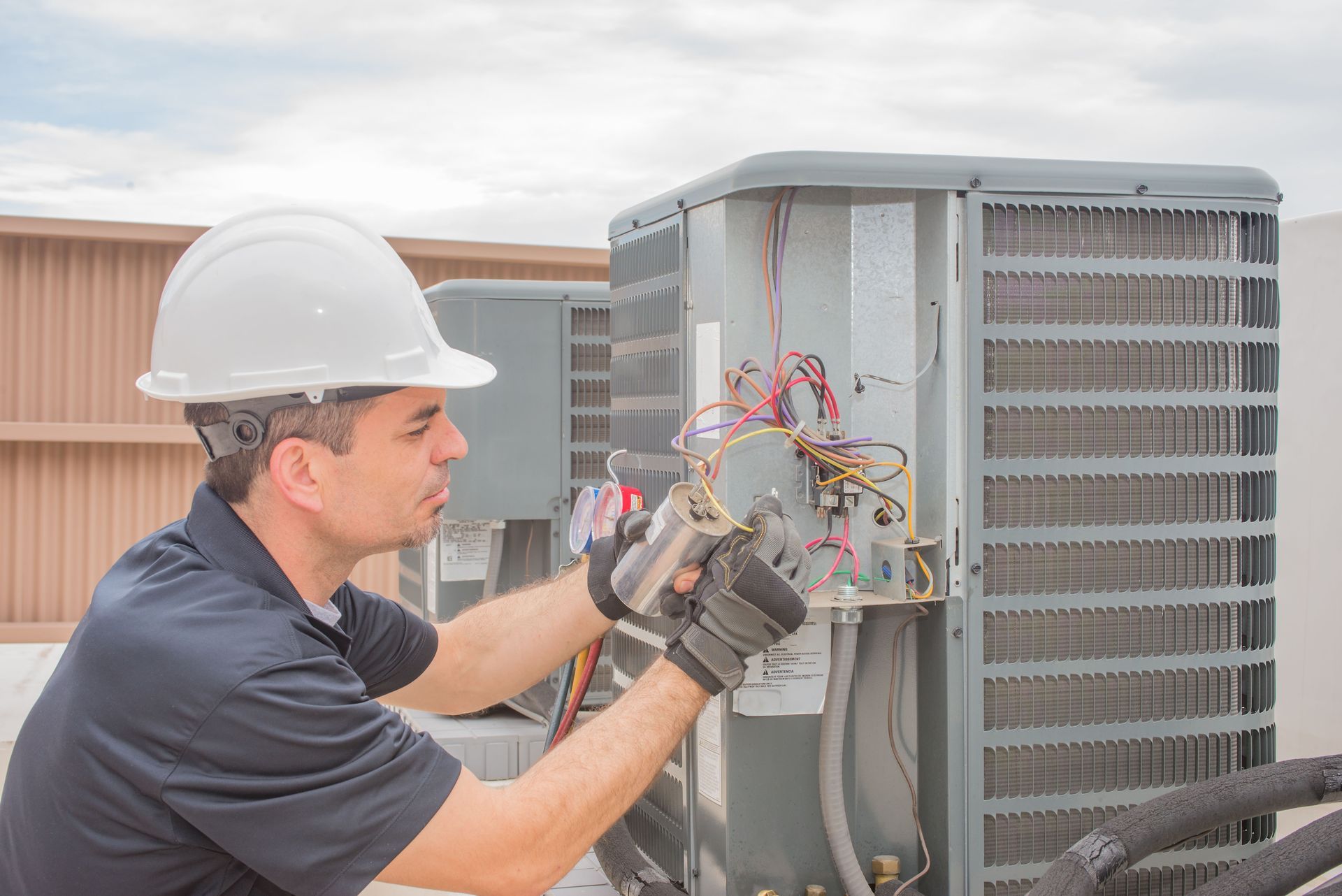
When an AC unit encounters minor issues like clogged filters or dirty coils, air conditioning repair is the most cost-effective solution. These problems can often be resolved quickly by a professional, restoring efficiency without the need for a total overhaul. Regular maintenance can prevent these small issues from spiraling into major mechanical failures, effectively extending the life of your equipment.
Newer Units
For units that are only a few years old, repairs almost always make more sense. These systems still feature relatively modern technology and high efficiency levels. Additionally, many newer units are covered under manufacturer warranties, which can significantly lower the cost of any necessary maintenance. A unit under five years old would rarely require a full replacement unless there was a catastrophic installation error or external damage.
Unusual Noises and Poor Airflow
Sounds like grinding, squealing, or rattling often indicate mechanical issues with belts or bearings that are easily fixed. Similarly, poor airflow caused by duct blockages or dirty filters can be improved through targeted service rather than full replacement. A technician can often swap out a single failing component to get the entire system humming quietly again, saving you the expense of a new installation.
Thermostat Issues
Sometimes, what seems like a major system failure is simply a thermostat malfunction. Recalibrating or upgrading to a smart thermostat can often resolve temperature inconsistencies and reduce strain on your air conditioner. Before assuming the condenser is dead, checking the control interface is a vital step in the air conditioning repair process.
Signs It’s Time for a Replacement
Old Age and High Energy Bills
If your system is over a decade old and your energy bills are spiking, it is likely working too hard to maintain comfort. Replacing such a unit with an Energy Star-certified model ensures you save money without compromising on performance. You may find that your monthly utility costs drop by 20% to 40% simply by moving to a modern unit with a higher SEER rating.
Constant Breakdowns
Recurring malfunctions represent a cycle of stress and expense. When the cost of air conditioning repair begins to approach 50% of the value of a new system, it is time to consider an upgrade to ensure reliability during the hottest months. Reliability is a form of value that is often overlooked until the system fails on the hottest day of the year, leaving you in an emergency.
Obsolete Technology and Refrigerant Type
Many older units rely on R-22 (Freon), which has been phased out due to its ozone-depleting properties. As this refrigerant becomes scarce, maintaining older systems becomes prohibitively expensive. Moving to a modern unit ensures your system complies with current environmental regulations and uses readily available, more affordable refrigerants.
Financial Considerations and Incentives
Initial Costs and Long-Term Savings
While air conditioning repair is cheaper today, the long-term operational costs of an inefficient unit add up. High-efficiency replacements translate to lower monthly utility bills, which helps recoup the initial investment over time. Furthermore, a new system adds value to your home, which is a major benefit if you plan to sell in the near future.
Financing and Incentives
Many dealers offer flexible financing options to help manage the upfront cost of a new HVAC system. Additionally, federal and local tax incentives for energy-efficient upgrades, such as those provided by the Inflation Reduction Act, can further reduce the financial burden on homeowners. These programs are designed to make high-efficiency technology accessible to more households.
Warranty Implications
A new system comes with a fresh manufacturer’s warranty, providing peace of mind that repairs will be covered for years to come. This protection is a significant advantage over sinking money into an out-of-warranty older unit, where every part and labor hour comes directly out of your pocket. A ten-year parts warranty can save thousands in unforeseen costs down the road.
Deciding between air conditioning repair and replacement requires a balanced look at the age, efficiency, and frequency of breakdowns of your current system. While repairs are suitable for minor issues in newer units, the long-term financial, health, and environmental benefits of a modern, energy-efficient system often make replacement the smarter investment for older homes. Consulting with a qualified HVAC professional will provide the clarity needed to ensure your home remains a cool sanctuary regardless of the temperature outside. For more information, contact McTeer's Heating & Cooling LLC today.