September 2, 2026
Choosing the right professional for heating and cooling work is an important step toward maintaining comfort, energy efficiency, indoor air quality, and safety in your home. Whether you need routine maintenance, an urgent repair, or a complete system replacement, careful research can help you avoid poor workmanship and unexpected expenses. Qualified HVAC contractors can evaluate existing equipment, explain practical solutions, and recommend improvements based on the specific needs of a property. Instead of selecting a provider based on price alone, homeowners should consider experience, credentials, communication, warranties, and overall service quality. Taking a methodical approach can make the selection process easier while increasing the likelihood of dependable, long-lasting results.
Understanding Your Current HVAC Needs
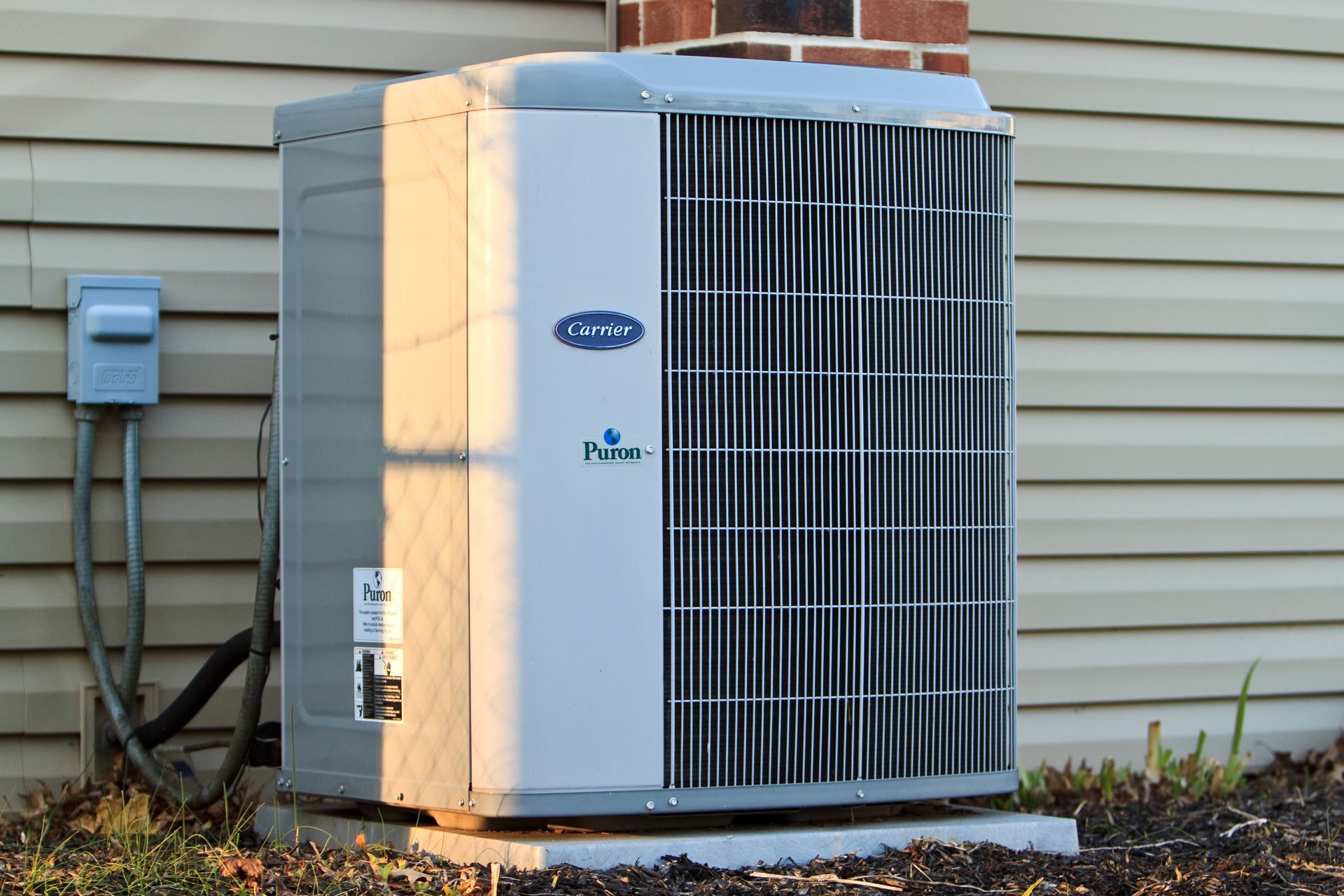
Before contacting a professional, take time to evaluate the performance of your existing heating and cooling system. Consider its age, manufacturer, maintenance history, and any repairs completed in recent years. Older equipment may operate less efficiently than newer systems and could require increasingly frequent repairs. Pay attention to whether your home maintains consistent temperatures or whether certain rooms regularly feel too warm or too cold. These observations provide useful information that a technician can consider when diagnosing performance concerns.
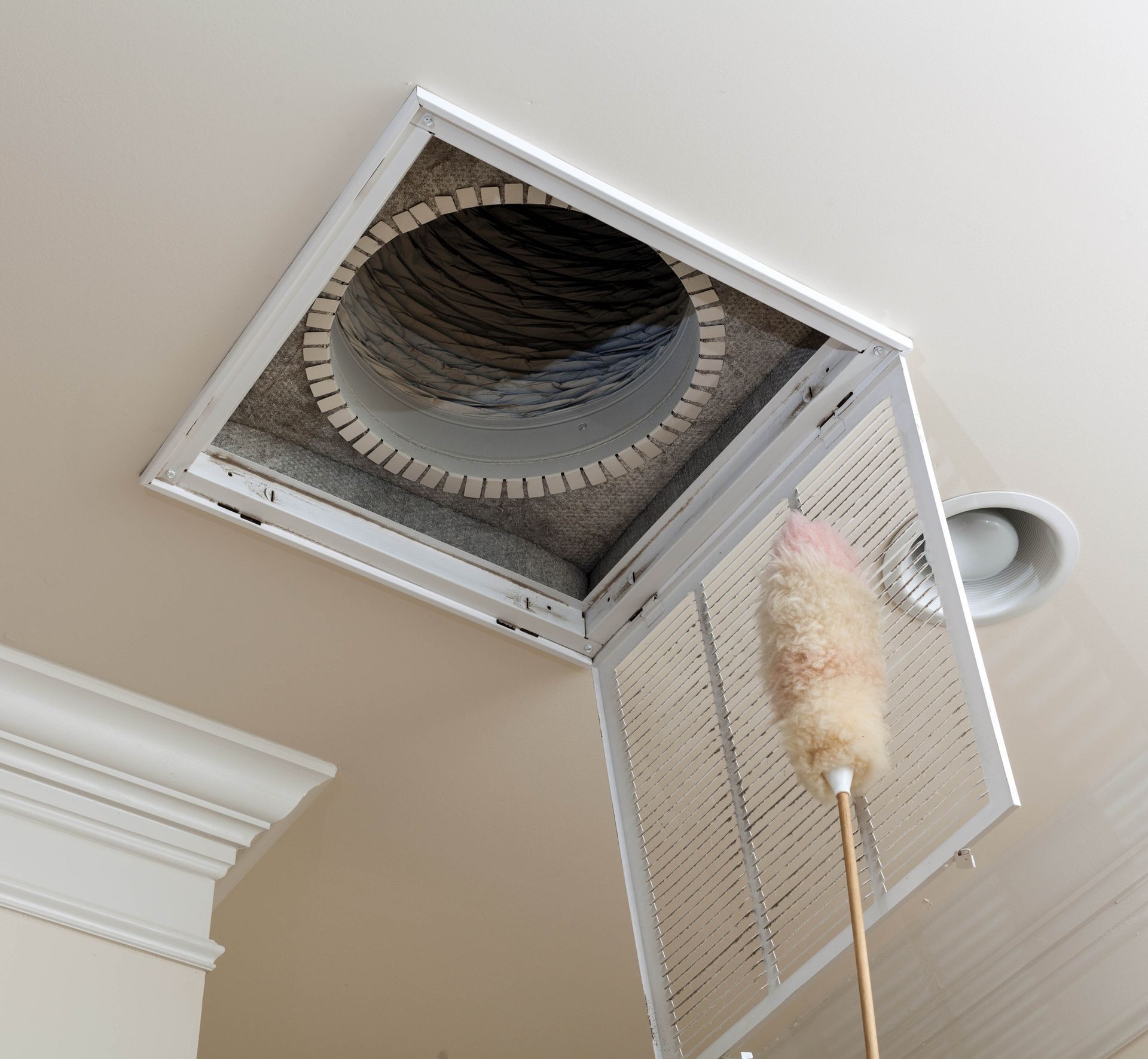
It is also helpful to identify warning signs that could indicate a developing problem. Unusual banging, rattling, grinding, or squealing sounds may suggest loose or worn components. Unexpected increases in utility bills, weak airflow, frequent cycling, unusual odors, and inconsistent temperatures may also warrant professional attention. Document when these symptoms occur and how long they have been present. Providing detailed information gives HVAC contractors a clearer starting point when inspecting the equipment and determining whether maintenance, repair, or replacement is appropriate.
Defining the Scope of the Project
Determine what you hope to accomplish before requesting estimates. Your project could involve repairing an air conditioner, replacing a furnace, installing a thermostat, improving ventilation, addressing indoor air quality concerns, or replacing an entire heating and cooling system. Having a general understanding of the project helps you communicate your priorities and compare proposed solutions more effectively. However, remain open to professional findings because an inspection may reveal issues that were not immediately apparent.
Energy efficiency can also be part of the project's scope. Depending on your home's condition, improvements might include more efficient equipment, upgraded controls, better airflow management, or adjustments that reduce unnecessary system operation. Ask professionals to explain the potential benefits and limitations of recommended upgrades rather than assuming that every new feature will produce substantial savings. The goal should be to develop a solution appropriate for your home's size, layout, comfort requirements, and budget.
Establishing a Practical HVAC Budget
A realistic budget should account for more than the initial service or installation price. Research typical costs for the type of work you require, while recognizing that equipment selection, labor requirements, system accessibility, permits, and regional pricing can affect the final amount. Request written estimates that clearly describe the work being proposed. When comparing HVAC contractors, examine what each estimate includes rather than automatically choosing the lowest total. A substantially lower price may exclude services, materials, warranties, or other items included in competing proposals.
Consider long-term expenses as well. A system with a lower purchase price could potentially cost more to operate or maintain, while efficient equipment may have a higher initial cost but reduce energy consumption over time. Maintenance requirements, warranty coverage, anticipated equipment lifespan, and potential repair expenses should all influence your decision. Building some flexibility into the budget can also help you handle unexpected conditions discovered after work begins.
Researching Local Service Providers
Recommendations from friends, relatives, neighbors, and other homeowners can provide a useful starting point. Ask about the quality of completed work, communication, punctuality, cleanliness, pricing, and how the company responded if a problem occurred. Multiple recommendations for the same business may help identify professionals with a consistent record of service. According to IBIS World, 623,661 individuals work for HVAC businesses in the United States, highlighting the size of the industry and the importance of carefully evaluating professionals to find a provider suited to your specific needs. Still, personal referrals should be combined with independent research because another homeowner's project and expectations may differ from yours.
Online reviews can provide additional perspective. Instead of focusing exclusively on star ratings, read comments describing specific customer experiences. Look for recurring observations regarding workmanship, scheduling, billing, professionalism, and responsiveness. A few negative reviews do not automatically indicate poor service, particularly for a company that has completed many projects. Consider how the business responds to complaints and whether it appears willing to address legitimate customer concerns. Reviewing several sources can provide a more balanced understanding of prospective HVAC contractors.
Verifying Licensing, Insurance, and Credentials
Licensing requirements differ by location, so homeowners should determine which credentials are required in their jurisdiction. Ask potential providers for relevant license information and verify it through the appropriate state or local authority when possible. Proper licensing can demonstrate that a business has satisfied applicable requirements for legally performing certain types of heating and cooling work. Permits may also be necessary for larger installations or replacements, making familiarity with local regulations especially important.
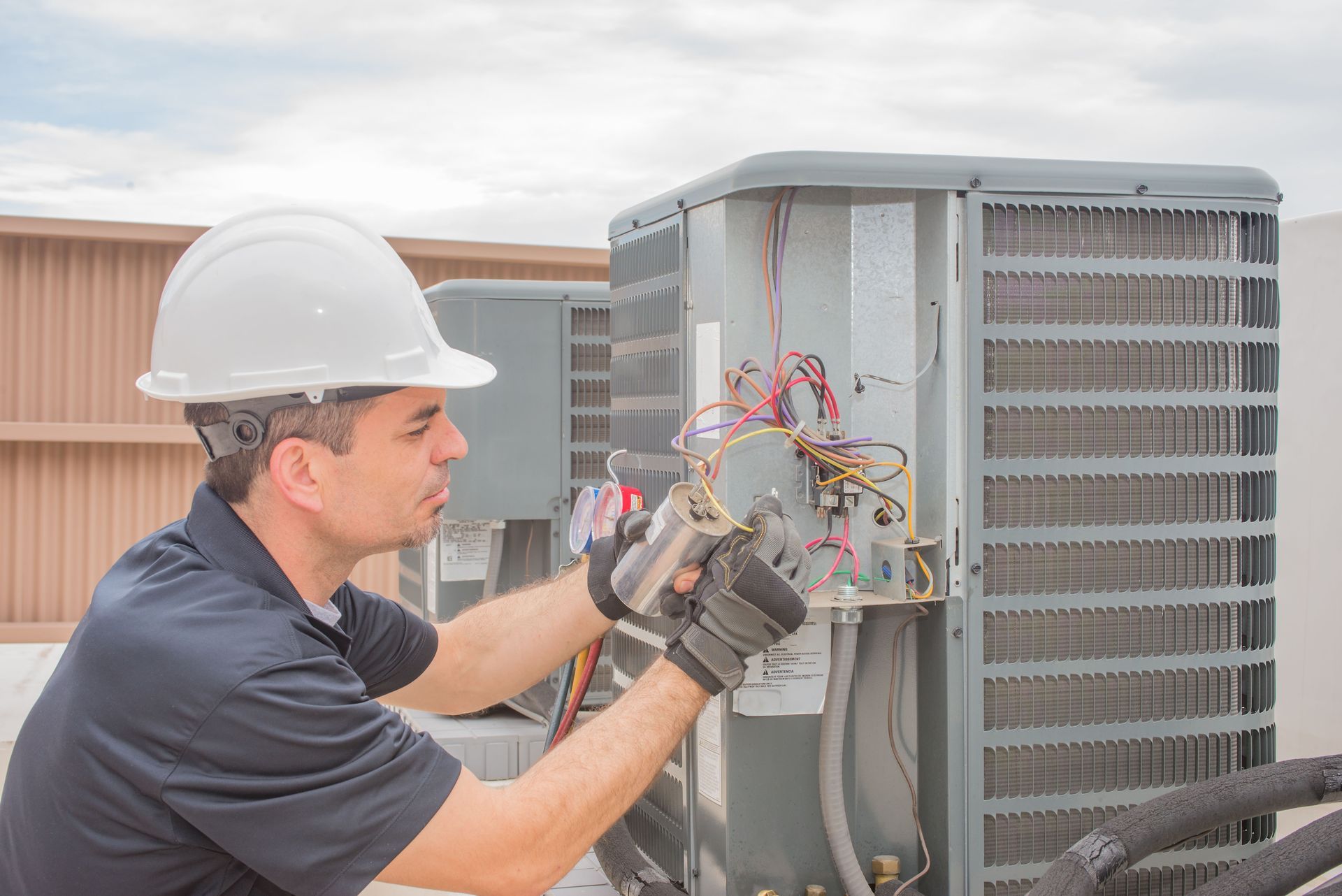
Insurance deserves similar attention. Ask whether the company carries appropriate liability coverage and workers' compensation protection where required. Industry certifications and professional affiliations can provide further information about technical training and continuing education, although they should be considered alongside experience and other qualifications. Reliable HVAC contractors should be willing to discuss their credentials and explain how their technicians remain informed about equipment, installation methods, efficiency standards, and safety practices.
Asking About Experience and Specialization
Heating and cooling systems vary considerably, making relevant experience an important consideration. Ask how long a company has been operating and whether its technicians regularly service your particular type of equipment. If your project involves heat pumps, ductless systems, smart controls, geothermal equipment, or another specialized technology, determine whether the technicians have specific training and practical experience with those systems. Familiarity can improve diagnostic accuracy and help reduce installation or repair mistakes.
Questions about previous projects can reveal how a company approaches complicated situations. Ask about similar homes or systems they have worked on and how they handled unexpected challenges. Experienced professionals should be capable of explaining technical issues in understandable language without overwhelming homeowners with unnecessary terminology. Clear explanations demonstrate that the provider understands the proposed work and can communicate its reasoning effectively.
Comparing Written Estimates Carefully
Obtain estimates from multiple providers when circumstances allow. Each proposal should clearly identify equipment, labor, materials, fees, warranty terms, and other significant project components. For system replacements, verify that equipment specifications and model information are documented so you can make meaningful comparisons. Ask whether permits, removal of old equipment, cleanup, disposal, and startup testing are included. Detailed proposals reduce uncertainty and make it easier to understand what you are paying for.
Avoid evaluating bids based solely on their bottom-line totals. Two estimates that appear similar may involve different equipment, installation procedures, warranties, or service commitments. Ask HVAC contractors to clarify unclear charges and explain significant differences between available options. Professionals should be comfortable discussing their pricing without pressuring you into making an immediate decision. Transparent estimates provide a stronger foundation for determining whether the proposed service fits both your needs and your budget.
Taking time to research HVAC contractors can help protect both your comfort and your investment. A thoughtful selection process gives you an opportunity to identify qualified professionals, understand proposed work, anticipate costs, and establish clear expectations before service begins. Keep copies of all agreements and ask questions whenever project details are unclear. With careful preparation and thorough evaluation, homeowners can choose a provider capable of supporting reliable HVAC performance for years to come. Contact our team McTeer's Heating & Cooling LLC today and learn more about our HVAC services.